
Building Community Through Ramadan: Reflections from Iftar Dinners in Plymouth

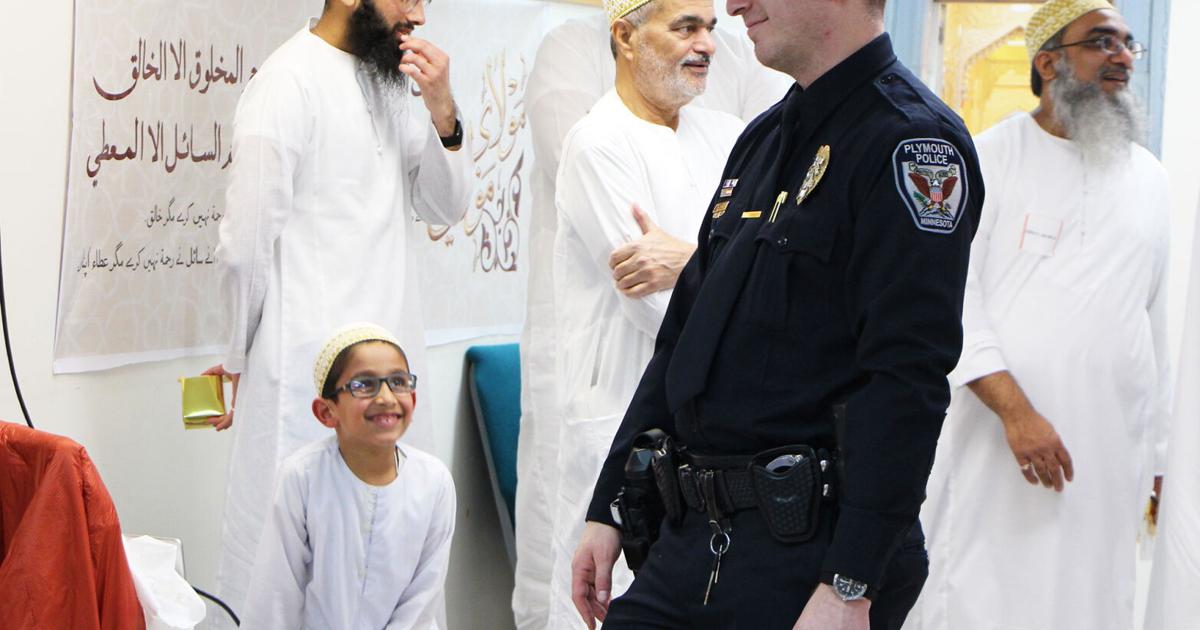
Attending two iftar dinners recently in Plymouth offered me a powerful reminder of how Ramadan brings people together. At one of these gatherings, a student shared thoughts that captured the spirit of the month and its impact on community life. His words highlighted how Ramadan is more than fasting; it is a call to live faith actively within society.
Ramadan as a Bridge Between Faith and Society
Burhanuddin Tiewala emphasized that Ramadan connects faith directly to the way we engage with the world around us. He said, “Ramadan reminds us that faith is not separate from society. It strengthens how we participate in it.” This means Ramadan encourages us to act with greater thoughtfulness, ethics, and care in our communities. The fast is not just a personal challenge but a way to build empathy by experiencing temporary discomfort. This empathy helps us understand those who face hardships daily and motivates us to respond with meaningful action.
Values That Extend Beyond Ramadan
Tiewala also spoke about how the values learned during Ramadan—responsibility, compassion, and contribution—are not limited to the month itself. Throughout the year, these principles guide volunteer efforts and community support. He pointed out that Ramadan teaches us to seize the moment, to grow in how we lead, build, collaborate, and care for one another. Although the month lasts only 30 days, the habits it fosters—integrity, empathy, and service—are meant to last a lifetime.

A Shared Spirit in Plymouth
The iftar dinners in Plymouth brought together people from different backgrounds and walks of life, all gathered around a thaal (a large shared platter). This simple act of sharing food symbolizes the unity and mutual respect Ramadan encourages. It reflects how our city’s diverse community can come together to celebrate faith, culture, and shared humanity.
These gatherings are more than just meals; they are moments of connection and reflection. They remind us that faith can inspire positive contributions to society and that empathy built through fasting can lead to real-world kindness and support.

